

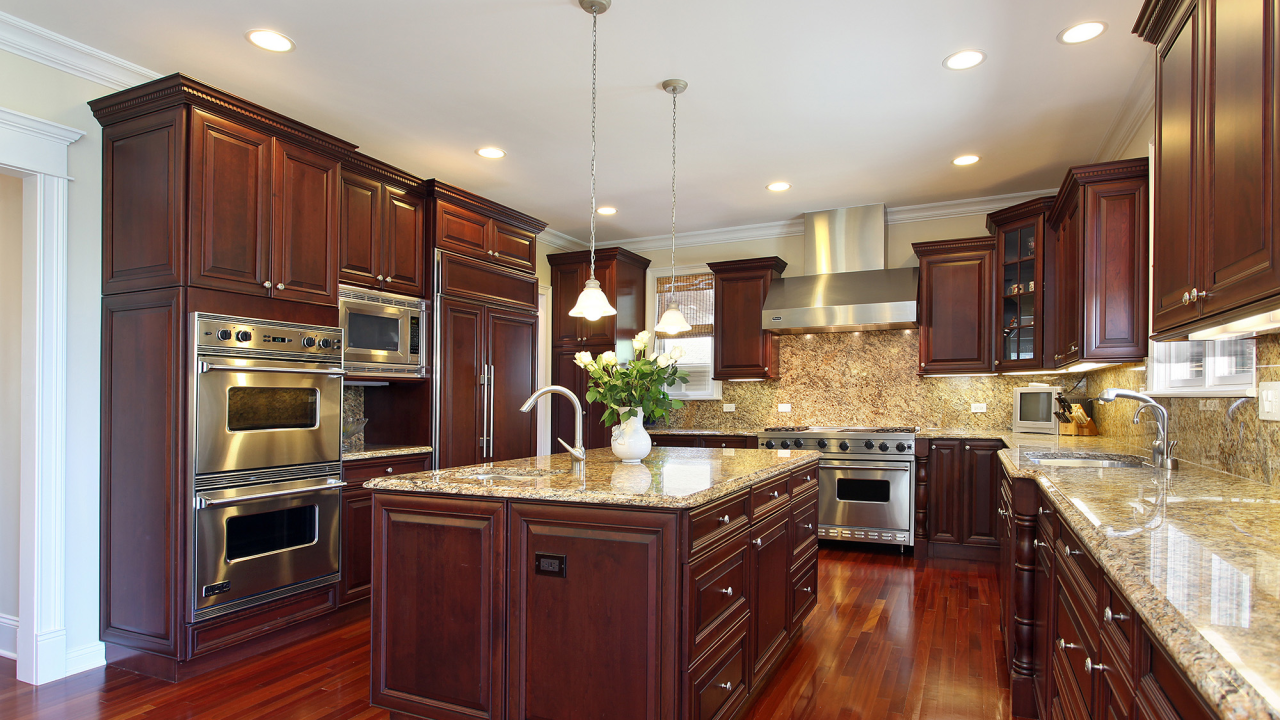
Hardwood floors are one of the most durable flooring materials available — but they're not indestructible. Over years of daily use, traffic patterns, pet nails, furniture, and the general business of life take their toll. What was once a gleaming, richly finished floor can gradually lose its luster, develop scratches, and start to look tired and worn.
Here's the good news: unlike carpet or vinyl that eventually have to be replaced entirely, hardwood floors can be restored. A professional refinishing job can take a dull, scratched, and worn floor and return it — sometimes exceed — its original beauty. In many cases, it's genuinely difficult to tell a professionally refinished floor from a brand-new installation.
If your hardwood floors are looking less than their best, this guide will walk you through everything you need to know about refinishing: how to know when it's time, what the process involves, how long it takes, and what to expect when it's done.
What Is Hardwood Floor Refinishing?
Refinishing is the process of removing the old finish from a hardwood floor, addressing any surface-level damage, and applying a fresh new finish. It essentially resets the clock on the floor's appearance and gives it a new protective coating that will serve it for years to come.
In most cases, refinishing involves:
Sanding the floor down to bare wood, removing the old finish and any surface scratches, stains, or discoloration.
Filling any gaps, cracks, or nail holes with wood filler.
Screening to a smooth, uniform surface.
Applying a new stain (if a color change is desired) or proceeding directly to sealing.
Applying multiple coats of a durable finish — polyurethane, Swedish finish, or hardwax oil.
The result is a floor that looks and feels like new — and one that is protected by a fresh, durable coating that will hold up well for another 7 to 10 years of normal use, or longer with proper maintenance.
Signs That Your Floors Need Refinishing
Not sure whether it's time to refinish? Here are the most common indicators:
Visible Surface Scratches
Light scratches that are confined to the finish layer — not deep into the wood itself — are a prime candidate for refinishing. The sanding process removes the scratched finish layer completely, revealing fresh wood underneath. After refinishing, those scratches will be completely gone.
Dullness and Lack of Luster
If your floors have lost their shine despite regular cleaning, and no amount of mopping or polishing restores the glow, the finish has likely worn through in many areas. Refinishing restores the reflective quality of the surface and brings the natural beauty of the wood back to life.
Gray or Black Discoloration
Dark spots or large gray areas on a hardwood floor are often signs of water damage — moisture has penetrated the finish and is affecting the wood itself. In mild cases, the discoloration can be addressed through sanding and refinishing. In more severe cases, board replacement may be necessary before refinishing.
Unevenness or Warping
Boards that have cupped (edges higher than the center) or developed a wavy surface can sometimes be corrected through sanding during the refinishing process. However, the underlying moisture problem that caused the cupping must be addressed first, or the issue will return.
Finish Peeling or Flaking
If the finish is actually peeling or flaking off in sections, the floor is well overdue for attention. This happens when finish adhesion has broken down — often due to moisture, improper cleaning products, or simply age. Refinishing removes the failing finish entirely and replaces it with a fresh, properly adhered coating.
Stains That Won't Clean Up
Stubborn stains — from pet accidents, red wine, paint, or other sources — that have penetrated through the finish and into the wood grain can sometimes be sanded out during refinishing. The depth of the stain and the thickness of the remaining wood determine how successful this will be.
How Many Times Can a Hardwood Floor Be Refinished?
The number of times a floor can be refinished depends on the thickness of the wood above the tongue. Solid hardwood floors are typically ¾" thick and can usually be refinished 5 to 8 times over their lifetime — meaning a quality hardwood floor can last 100 years or more with proper care and periodic refinishing.
Engineered hardwood can also be refinished, but the number of times is more limited — usually 1 to 3 times, depending on the thickness of the wear layer.
The Refinishing Process: Step by Step
Initial Assessment
At Ron's Hardwood Floors, every refinishing project begins with a thorough inspection of the floor. We check the thickness of the remaining wood, identify any structural issues, assess the extent of damage, and discuss the homeowner's goals — whether that's simply restoring the existing look or taking the opportunity to update the color with a new stain.
Preparation
Before sanding begins, furniture is removed, base shoe molding is carefully removed from the walls, and the room is prepared for dust containment. We use a ductless dust-containment system that captures the vast majority of sanding dust at the source, minimizing the spread throughout your home.
Sanding
Sanding is done in multiple passes using increasingly fine grits:
Initial cut — A drum or belt sander removes the old finish and levels the surface. This pass removes the most material.
Second pass — A finer grit smooths out the marks left by the first pass.
Edge work — A specialized edge sander addresses the areas along walls where the drum sander cannot reach. This requires skill to ensure the edges blend seamlessly with the field.
Screening — A final light sanding prepares the wood surface to accept the new finish.
Staining (Optional)
If you're happy with your current floor color, staining is skipped and the floor proceeds directly to sealing. If you'd like a new look — whether lighter, darker, warmer, or cooler — stain is applied at this stage. The stain penetrates the wood and, once dry, is sealed in by the finish coats.
Choosing a stain color is one of the most exciting parts of refinishing. It's an opportunity to update the look of an entire room without replacing a single board.
Finishing
At Ron's Hardwood Floors, we use Swedish refinishing products as our standard — a high-quality, extremely durable finish that cures quickly and provides excellent protection. We also offer water-based finishes upon request for homeowners who prefer lower VOC content and a clearer, less amber tone.
Finishing involves applying multiple coats, with light sanding between each coat for proper adhesion and a smooth result. Typically two to three finish coats are applied over a sealer coat.
Final Walk-Through
Once the finish has dried, we reinstall base shoe molding, clean up, and walk the floor with the homeowner to ensure they're completely satisfied with the results. We'll also share care instructions to help you get the most out of your freshly refinished floors.
How Long Does Refinishing Take?
Most residential refinishing jobs can be completed in 2 to 4 days, depending on the square footage, the extent of any repairs needed, the number of finish coats applied, and the drying time required between coats. Plan to be out of the room (and ideally off the floor surface) during the work and through the initial drying period.
With Swedish finish, floors are often ready to walk on within 24 hours and ready for furniture and rugs within a few days.
Spot Refinishing vs. Full Refinishing
Not every refinishing job needs to involve the entire floor. In some cases — a single room that has more wear than adjacent areas, or a concentrated area of damage — spot refinishing or partial refinishing is an option. However, it's worth noting that perfectly matching the finish of an existing floor can be challenging, and visible blending lines may be more noticeable on high-sheen floors than on low-sheen ones.
In most cases, if multiple rooms or the majority of a floor show wear, a full refinishing is the better investment.
Refinishing vs. Replacement: How to Decide
One of the most common questions we hear is: "Should I refinish my floors or just replace them?"
In general, refinishing is the right choice when:
The wood is thick enough to support another sanding
The damage is surface-level rather than structural
You're happy with the species and overall look of the floor
Budget is a consideration (refinishing typically costs 50–75% less than replacement)
Replacement may be the better option when:
Boards are severely warped, cracked, or rotted
The floor has been refinished many times and there's insufficient wood remaining
You want a completely different species or wider plank width
Significant structural subfloor repairs are needed anyway
Give Your Floors a Second Life
A professional hardwood floor refinishing is one of the most impactful improvements you can make to your home. It restores beauty, protects the investment you've already made in your floors, and can completely change the look and feel of a room — all for a fraction of the cost of new flooring.
At Ron's Hardwood Floors, we've been refinishing floors in the Chehalis, WA area and beyond for over 35 years. We take pride in the quality of our work — using top-quality Swedish finishing products, a ductless dust-containment process, and the kind of attention to detail that only comes with decades of experience.
Ready to fall in love with your floors again? Call us at (360) 748-4906 or visit our showroom at 1817 South Market Boulevard, Suite A, Chehalis, WA 98532 to schedule your free refinishing consultation. We'll assess your floors, discuss your options, and give you an honest recommendation — because our goal isn't just to do a job, it's to earn a customer for life.


